About us

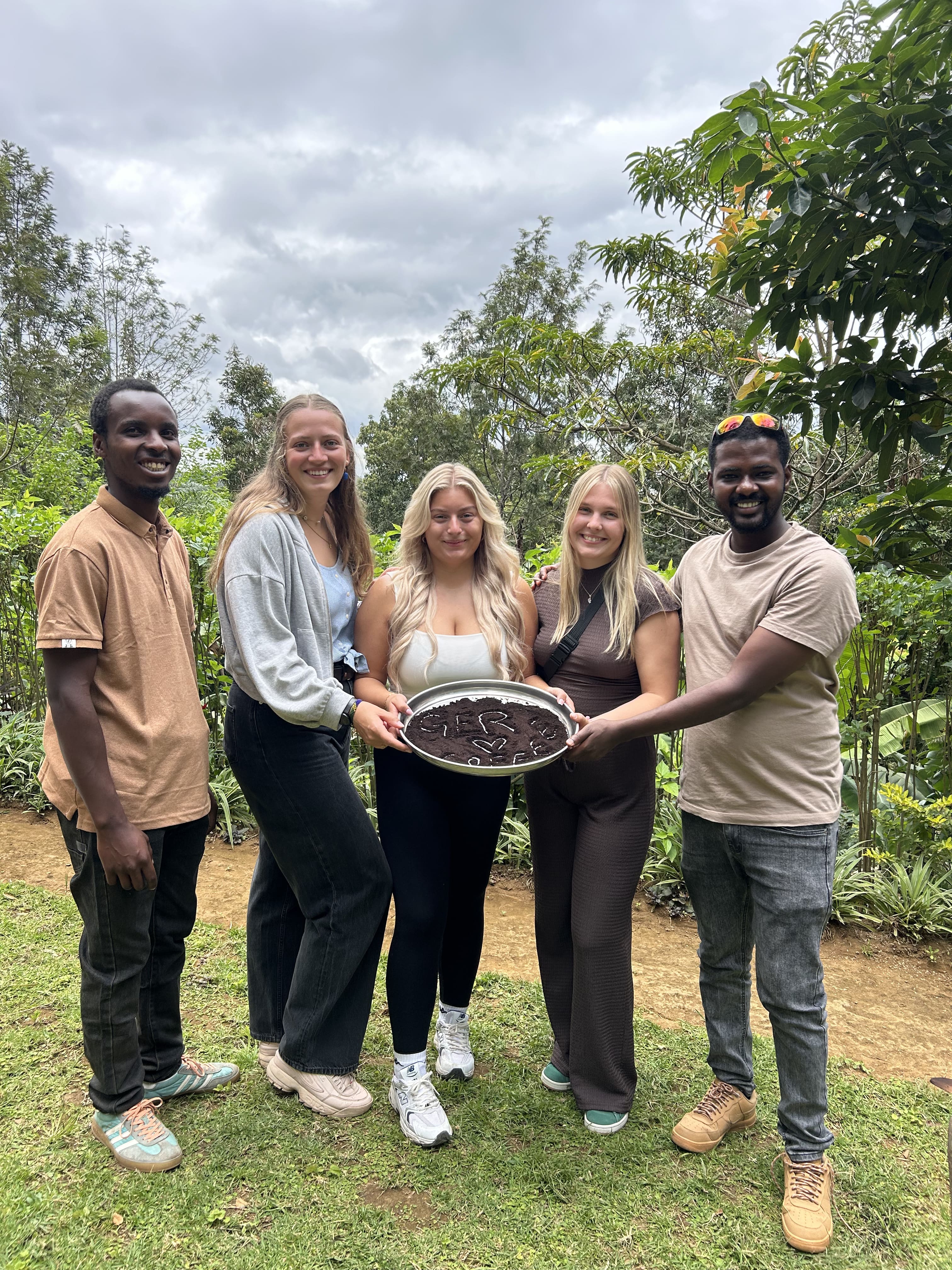
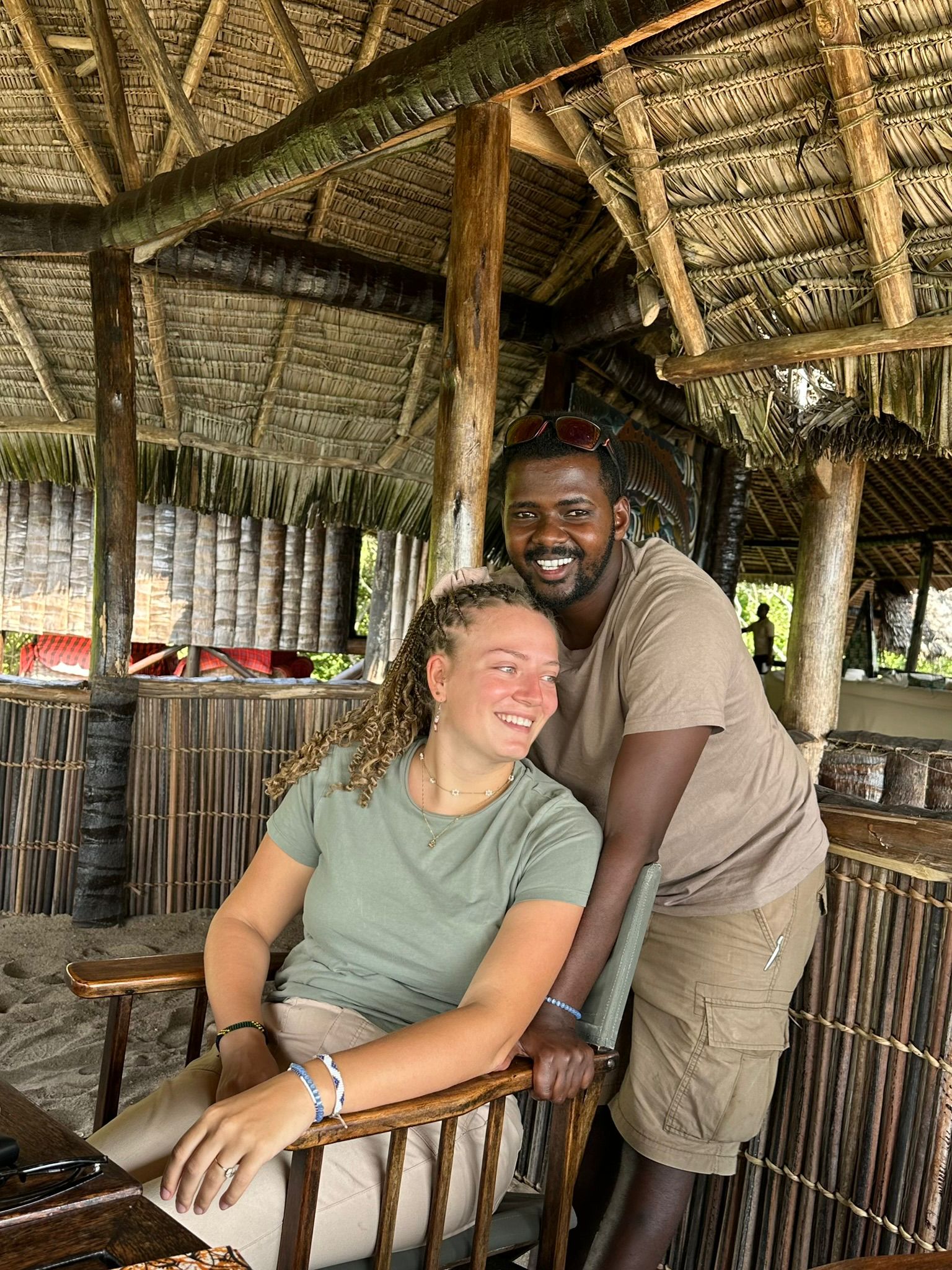
We are Jacob and Noelle, a couple passionate about Tanzania’s wildlife and nature.

Jacob, a seasoned safari guide based in Arusha, loves sharing the beauty of the national parks and wildlife with guests. He speaks English, French, and some German, ensuring personalized experiences.

Noelle, based in Germany, has spent extensive time in Tanzania organizing safaris, building connections with camps and guides, and tailoring trips to guests’ needs.

Together, we create unforgettable, responsible, and ethically-minded safari experiences where respect for nature and people comes first.

Quotes from our guests
Thank you for your kind words! We're delighted to hear about your positive experience. Your feedback inspires us.
"Our safari with Spirit of Nature Safari was just incredible! From the very first minute we felt well looked after and safe. Our guide Jacob not only extremely experienced, but also passionate and humorous. You could tell that he really loves nature and likes to share his knowledge." - Thomas R
"The organization was perfect on both days: punctual pickup, good planning and a guide who really gave everything. He was super friendly, funny and could tell a lot about the country, people and culture – you felt in good hands all the time." - Lynn H

FAQ

Got questions? We’ve got answers!

What clothing is appropriate for my trip to Tanzania?
For safari activities, it is best to wear natural, earthy colors such as green, beige, and khaki. Bright or flashy colors can make it harder to spot wildlife, as many animals associate intense colors with danger or poisonous species. It is also recommended to avoid black and dark blue, as these colors attract heat and can draw biting insects. White is not ideal either, as it quickly becomes dusty and dirty during game drives. When visiting local towns or non-touristic areas, it is important to respect the local culture by covering your knees and shoulders. This is especially important in Stone Town, where conservative dress is appreciated. At tourist locations and on the beaches of Zanzibar, you can generally wear whatever you feel comfortable in. Choosing the right clothing will help you enjoy your trip comfortably while remaining respectful of the culture and environment.
Which vaccinations do I need for traveling to Tanzania?
For most travelers, especially those arriving from Europe, Tanzania does not require any mandatory vaccinations. The only exception is Yellow Fever: you must show a valid vaccination certificate only if you are arriving from, or have transited through, a Yellow Fever risk country. If you’re flying directly from Europe, this requirement does not apply. Although entry rules are straightforward, it’s still smart to review recommended health precautions. Many travelers choose to protect themselves with vaccinations or preventive medication for malaria, rabies, hepatitis A and B, typhoid, tetanus–diphtheria–pertussis (Tdap), measles (MMR), or, in specific situations, cholera. The right preparation depends on your personal health, the regions you plan to visit, and the type of activities you’ll be doing. Because health needs vary from person to person, it’s best to speak with your doctor or a travel health specialist before your trip. They can give you tailored guidance so you can explore Tanzania with confidence and peace of mind.
Do I need to give tips, and how much is appropriate?
Tipping is not mandatory in Tanzania, but it is very common and greatly appreciated across all areas of daily life. In particular, safari guides rely on tips as an important part of their income, and a small gesture of appreciation is a wonderful way to thank them if you were satisfied with your experience. A good guideline is around 10 USD per person per day for your guide. Of course, you may adjust this amount depending on the quality of service and your personal preferences. Your generosity helps support the hardworking people who make your safari unforgettable.
What is the local currency in Tanzania?
The local currency in Tanzania is the Tanzanian Shilling (TZS). While many hotels, lodges, and safari operators also accept US Dollars, smaller shops, local markets, and restaurants often prefer or require payment in Tanzanian Shillings. ATMs are available in most towns and cities, but not inside the national parks, so it’s best to withdraw or exchange money before you begin your safari. Credit cards are accepted in many lodges, though transaction fees may apply. Carrying a small amount of local currency is always helpful for tips, small purchases, and everyday expenses.
What is the national language of Tanzania?
Tanzania has two official languages, Swahili and English. Swahili is the language people use in everyday life, while English is mainly used in tourism, business, and education. If you want to connect with locals, a little Swahili goes a long way. You can greet someone with “Jambo,” or ask “Mambo?” and expect a friendly “Poa” in return. “Maisha marefu” works perfectly when raising a glass, “Asante” is the go-to thank you, and “Karibu” is how you say welcome. Using even a few of these phrases adds warmth to every interaction, and your guide will appreciate the effort.
Do I need a visa for Tanzania?
Yes, you do need a visa to enter Tanzania. Travelers from the EU can obtain their visa upon arrival at the airport, though this may involve long waiting times. If you are traveling from a non-European country, please check in advance whether you are required to apply for an online visa before departure. To keep things simple for all travelers, we recommend applying for the e-Visa in advance through the official website at visa.immigration.go.tz. The visa fee is 50 USD and can be paid at the airport either by credit card or in U.S. banknotes issued after 2009. Please ensure that your passport is valid for at least six months beyond your final travel day.
Is Tanzania safe to travel?
Tanzania is widely regarded as a safe and welcoming destination. It consistently ranks among the safest countries in Africa, thanks to its stable political climate, well-developed tourism infrastructure, and friendly local communities. As with any trip, it’s still smart to take a few basic precautions: keep valuables secure and avoid showing expensive items, stay alert in larger cities (especially at night) and be cautious in crowded or poorly lit areas. It’s also wise to follow the advice of your guide or accommodation staff and use licensed or hotel-arranged transportation rather than unregulated taxis.Safari areas, national parks, and major tourist regions are generally very safe, as activities are professionally guided and well-organized. Your guide and our team will be with you throughout your journey, making sure you feel comfortable and secure at all times.
Do I need special travel insurance for Zanzibar?
Yes, the government of Zanzibar requires all visitors to obtain a specific, mandatory travel insurance approved for entry. This insurance must be arranged online before your trip; otherwise, you may face significant delays and long processing times upon arrival at Zanzibar Airport. There is no way to bypass or avoid this requirement, it is obligatory for every traveler entering Zanzibar. You can apply for the required insurance through the official website at zanzibarinsurance.go.tz. Completing this step in advance ensures a smooth, quick, and stress-free arrival.
Can encounters with wild animals be dangerous?
In most cases, the animals in Tanzania’s national parks are very accustomed to safari vehicles and remain calm even at close distances. Still, it’s important to remember that all wildlife is unpredictable. Surprisingly, the animals considered most dangerous on safari are not the big cats, but elephants and buffaloes. their sheer size and strength could damage a vehicle if they feel threatened. Your guide is highly trained and experienced in reading animal behavior and assessing situations accurately, so it’s crucial to trust their judgment completely. If your guide tells you that stopping at a certain spot isn’t safe, please don’t try to persuade them otherwise. Likewise, if they ask for silence, follow their instructions immediately. These guidelines help prevent danger and ensure that any potentially risky situation can be safely de-escalated. With proper guidance and respect for wildlife, encounters remain overwhelmingly safe and often become some of the most unforgettable moments of a safari.
When is the best season to go on a Safari in Tanzania?
Tanzania is a fantastic safari destination throughout the year due to its location near the equator. However, the ideal time to visit varies depending on the safari experience you desire. The dry season, from June to October, is widely considered the best period for game viewing, as animals congregate around water sources, making them easier to spot. Conversely, the wet season, spanning November to May, offers lush landscapes, excellent birdwatching opportunities, and fewer tourists. Specific events, such as the Great Migration or wildebeest calving, occur at different times within these seasons, which can influence the timing of your trip.

OUR ACTIVITIES

Discover Tanzania in a truly personal way. Our tailor-made safaris combine nature, culture, and comfort.
Guided by local experts who uphold European standards of quality. Every journey is crafted just for you and is as unique as you are.

Let's plan YOUR adventure!